.png)
Engineering for Public Good
Our research focuses on practical engineering solutions that improve everyday life for underserved communities. We explore interactive peripheral technologies, low‑cost tools, and accessible designs that can be shared openly for community benefit.

Public Access and Openness
Public Access reflects our commitment to ensuring that the knowledge we produce is open, understandable, and genuinely usable by the public we serve. We believe research should not sit behind barriers — it should empower people, inform decisions, and strengthen communities. This principle guides us to publish our work in accessible formats, communicate in clear and inclusive language, and share data, tools, and methods whenever responsible and appropriate. By prioritizing openness, we extend the reach and value of our work, enabling individuals, organizations, and communities to apply insights in practical, meaningful ways. Public Access is how we honor our mission: by turning information into a shared resource that supports collective understanding and public good.

Practical Application
Practical Application reflects our commitment to producing research that leads to real‑world change. Our work is not meant to sit on a shelf — it is meant to inform decisions, shape solutions, and support the people and communities we serve. This principle guides us to translate findings into clear, actionable insights and to design recommendations that account for real constraints, real contexts, and real needs. We prioritize approaches that can be implemented, tested, and refined in practice, not just in theory. By focusing on usefulness, we ensure that our research becomes a tool for progress, helping partners, practitioners, and the public turn information into meaningful action.
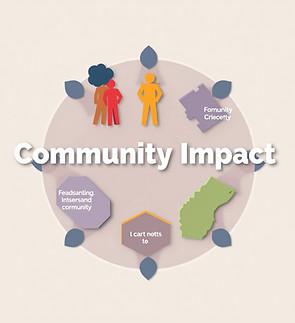
Community Impact
Community Impact reflects our commitment to ensuring that our work creates meaningful, measurable benefits for the people and communities we serve. We believe research should not only describe the world — it should help improve it. This principle guides us to design projects that address real needs, elevate community voices, and consider the lived experiences of those most affected by the issues we study. We prioritize outcomes that strengthen local capacity, inform better decisions, and support long‑term well‑being. By centering community impact, we ensure that our research contributes to positive change, fosters trust, and advances our mission to serve the public good.

Ethical Innovations
Ethical Innovation reflects our commitment to advancing new ideas, methods, and technologies in ways that uphold our responsibility to the public. We believe progress should never come at the expense of trust, equity, or integrity. This principle guides us to explore creative solutions while carefully considering their potential impacts, risks, and unintended consequences. We prioritize approaches that are transparent, inclusive, and aligned with community values. By grounding innovation in ethics, we ensure that new possibilities strengthen — rather than compromise — the well‑being of the people and communities we serve. Ethical Innovation allows us to push boundaries with purpose, ensuring that every advancement contributes to the public good.
Accessible Technology Development
We design and prototype tools that make daily tasks easier for families facing physical, financial, or environmental barriers.
Open‑Source Community Research Library
All research produced by Hope Surplus is shared openly so that families, educators, makers, and other nonprofits can benefit.
Repairability & Sustainability Lab
We study how everyday items can be repaired, reused, or redesigned to last longer.
Community Co‑Design Workshops
We bring families, volunteers, and engineers together to design solutions based on real‑world needs.